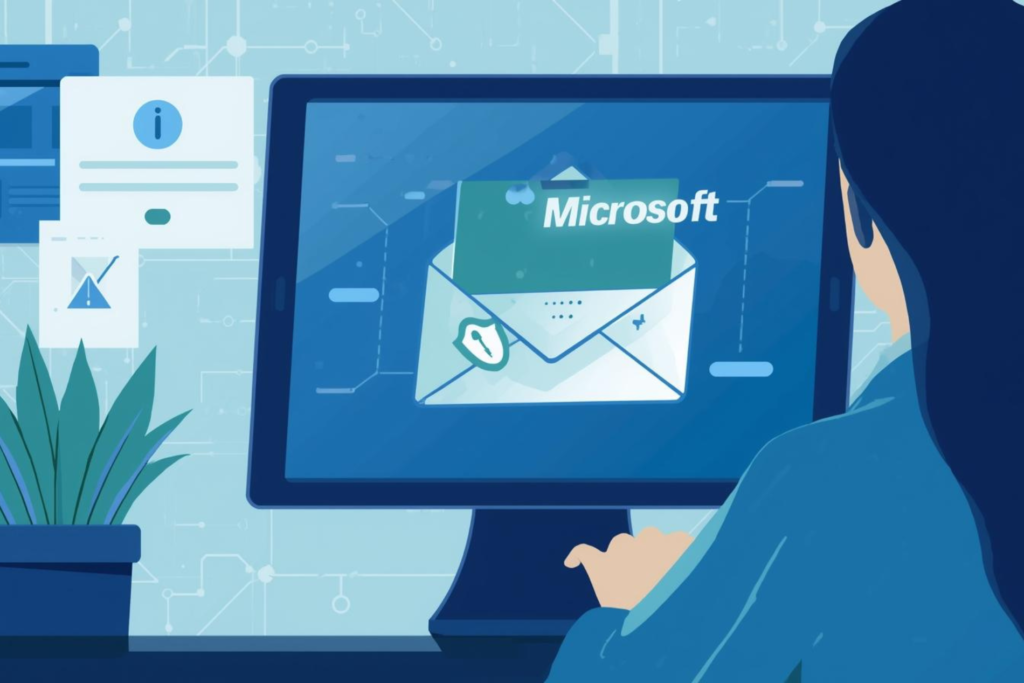

Have you ever been frustrated by an unexpected interruption during a quick login attempt? This annoyance at being prompted to input a code, or multiple codes sent to devices is a growing concern in digital security. Balancing robust security measures with mitigating this fatigue is imperative in this digital landscape, where people are trying to work with minimal interruptions, but solid security is more important than ever.
A Multi-Factor Authentication fatigue attack, is when cyber criminals deliberately try and log into a users account, sending lots of MFA notifications to their device or email at once, with the end goal of coercing the user into accepting just one of them. Falsely confirming their identity, and giving the scammers access to their account(s).
The evolution of authentication
Once upon a time, the combination of usernames and passwords served as the primary defense in the land of digital security. However, as cyber threats grew more sophisticated, a resilient safeguard to confirm user identities became necessary. This led to the emergence of MFA, requiring users to authenticate their identity through two or more verification methods.
Users often experience weariness when faced with multiple authentication steps, and it’s this weariness that aids cyber criminals in wearing their victims down. Often there’s a gap in understanding as to why it’s so important, as well as it being annoying having to use MFA to sign into software multiple times a day, and this is where striking a balance between robust security and user convenience becomes absolutely paramount.
Pursuing a streamlined authentication experience
As professionals deeply entrenched in the IT landscape, we totally understand the undeniable benefits of MFA, along with the frustrations it can cause during a work day. Our commitment to clients lies in refining your digital experience, ensuring that security and user-friendly interactions can coexist seamlessly.
Choosing authentication methods
Not all authentication methods are equal. We help businesses select methods that align with their business needs, whether it involves biometrics, push notifications, SMS or other suitable methods. Helping create a strategy that aligns with preferences, can help minimise negative sentiments across the board.
Consistency is key
Having a seamless authentication process across smartphones, laptops, tablets and desktops can help contribute to a pain-free authentication process. Consistency across these devices enhances the user experience, and can reduce the time it takes to sign-in, without compromising on security levels.
Education empowers
A significant aspect of digital security relies on users having up-to-date knowledge and confidence in identifying security breaches. Educating your team on the significance and rationale behind your MFA strategy can enhance their willingness to engage with, and even embrace the process.
Tweak settings to suit your business
The nature of some businesses means that they require a much higher security level than others. Being able to customise settings, means we can provide an optimal balance between safety and convenience, based on the individual needs of your business.
It is possible to create a robust security protocol without creating frustrating barriers that make people’s jobs much harder.
While MFA stands guard against malicious threats, addressing the possibility of MFA fatigue attacks within businesses and organisations is crucial for its long-term effectiveness. We’re working towards a future where security and user experience can coexist harmoniously. Whether you’re looking to improve current practices or start implementing security measures for the first time, get in touch – we would love to help.